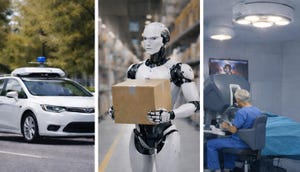
You’re used to artificial intelligence living on a screen. It writes emails, generates images and videos, answers questions and maybe even helps you code. But for the most part, AI has been a ghost in the machine, trapped in your pocket or your computer.
But what happens when AI leaves your device and starts moving through the real world? That’s when it gets a body.
Physical AI refers to artificial intelligence systems embedded in machines that sense their surroundings, make decisions and perform actions using hardware. Think robots, self-driving cars, warehouse automation systems and surgical machines.
A PwC study, released in March 2026, projects the global physical AI market will reach approximately €430 billion ($500 billion) by 2030.
Let’s explore what these machines are, how far we are from truly autonomous systems and what it really means when intelligence can act, not just respond.
What is physical AI?
Physical AI is artificial intelligence embedded in machines
...Keep reading this article on CNET.