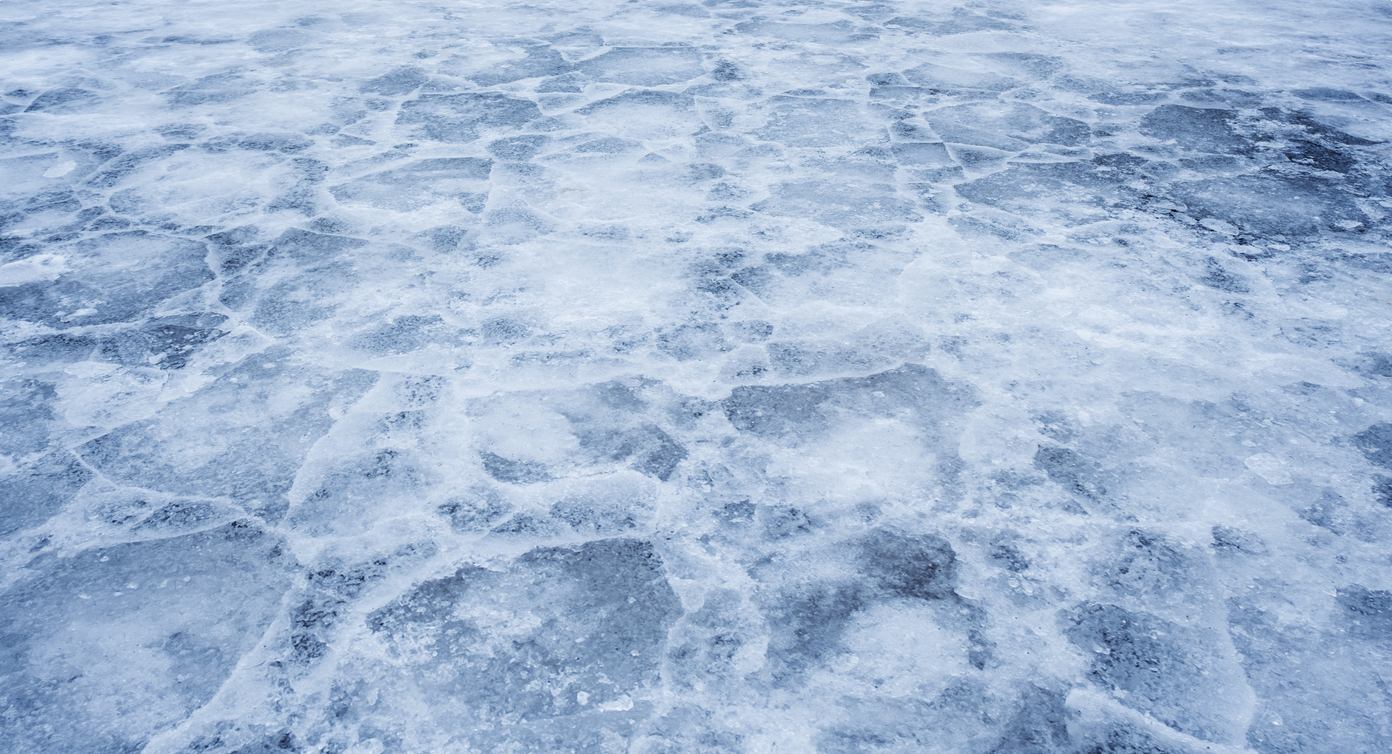
 The Slipperiness Myth: Not Just Melted Water
Most science textbooks—or those late-night trivia games—claim that ice is slippery because a thin film of liquid water forms under pressure, heat, or friction. This explanation is partly true, but it runs into trouble when you realize that people can ski or slide on ice at temperatures much colder than freezing, even around -4°F (-20°C), with no measurable temperature increase on the ice’s surface. It’s a frosty paradox that left scientists scratching their heads (careful, don’t slip!).
Zooming In: Molecular Mysteries and New Simulations
To get to the bottom of this contradiction, a research team led by Professor Martin Müser at Saarland University (Germany) turned to high-powered computer simulations at the molecular scale. Using the TIP4P/Ice model—famed for accurately reproducing the known properties of ice and liquid water—they simulated what happens when two perfectly flat ice crystals meet, kept at extremely low temperatures,
...Keep reading this article on Talk Android.